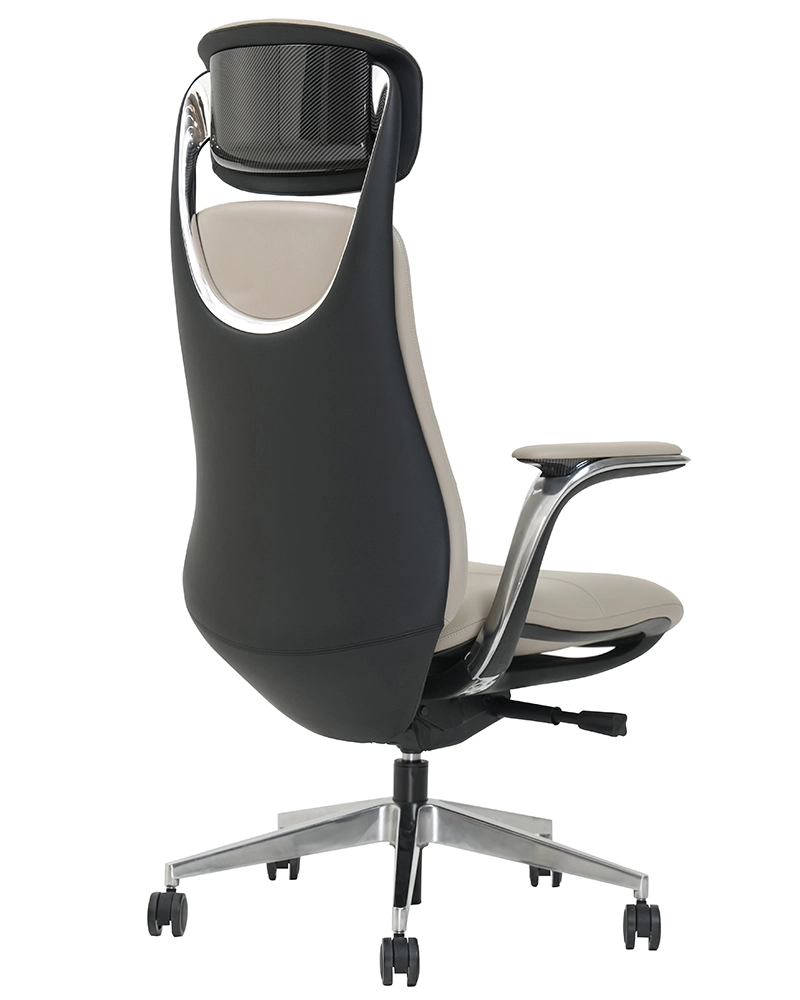
A well-built office chair does more than fill a workstation — it directly affects how long a user can sit comfortably, how well a company's furniture line performs in the market, and how few warranty claims a distributor has to field. As a chair manufacturer, Novosit designs and produces seating around a simple principle: the frame, the mechanism, and the upholstery all have to work together to support the body through a full workday, not just look good in a showroom photo.
Every chair in the Novosit range is engineered in-house and tested against international durability and safety benchmarks before it ever reaches a buyer. That means dealers, contract furnishers, and regional distributors can spec a chair with confidence, whether they're outfitting a single showroom or placing a container order. Below is an overview of the chair categories Novosit produces, the construction features that matter most when evaluating seating, and a short guide for choosing the right chair for a given project or market.
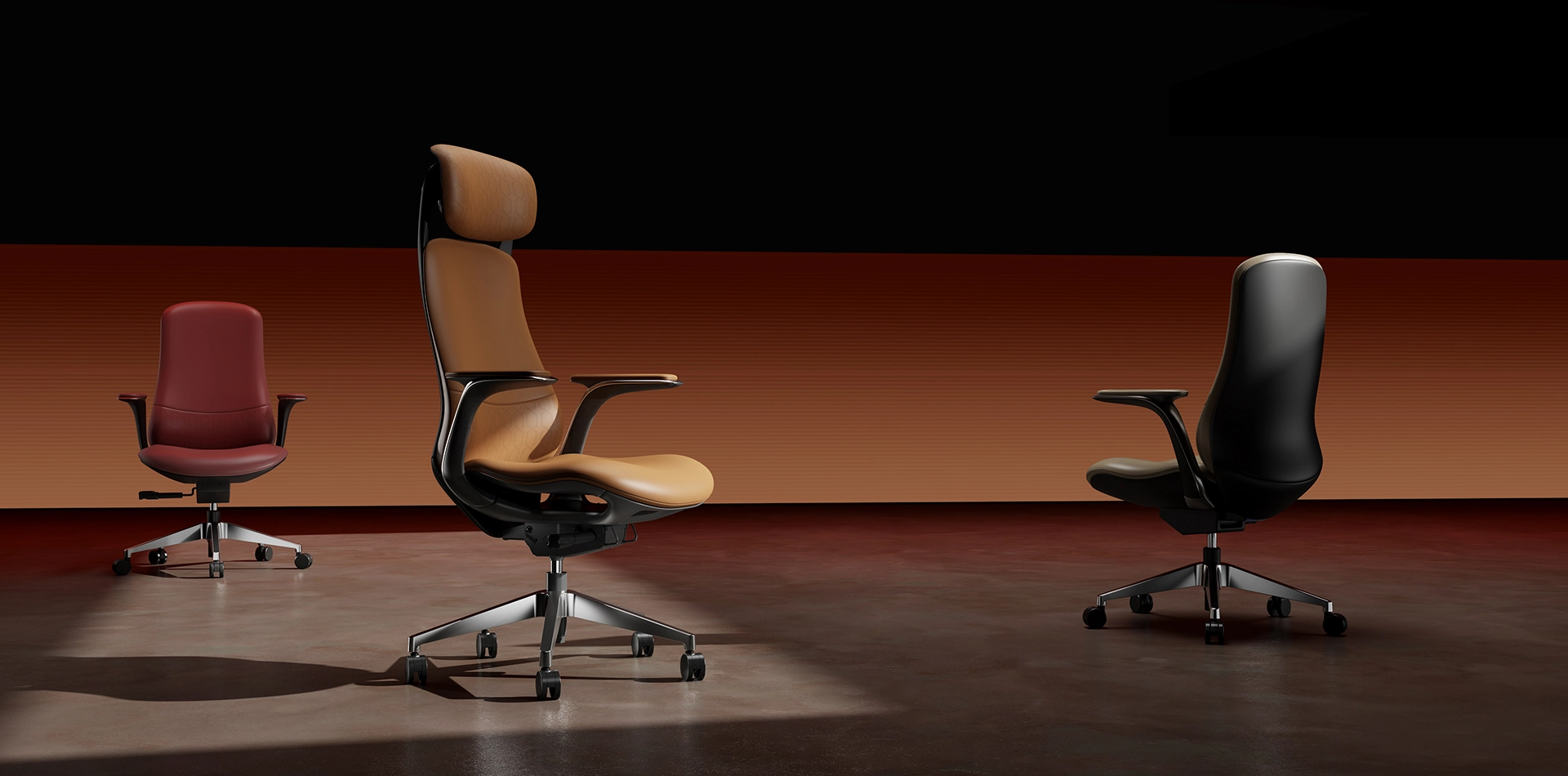
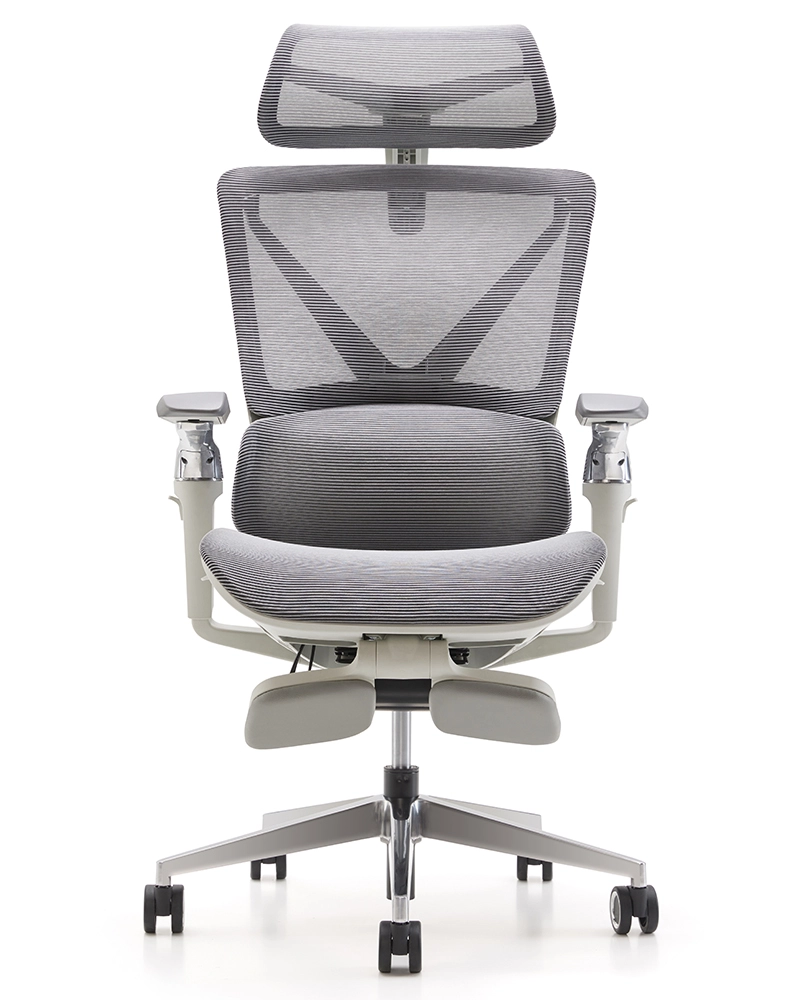
Executive chairs are built for private offices, boardrooms, and management seating where presence and comfort matter equally. These chairs typically feature a taller backrest, generous padding, and premium upholstery options such as leather or leather-look finishes, paired with a heavier-duty base to match the larger frame. Novosit's executive line is designed to hold up under daily, extended use while keeping the refined look that a corporate or hospitality buyer expects.
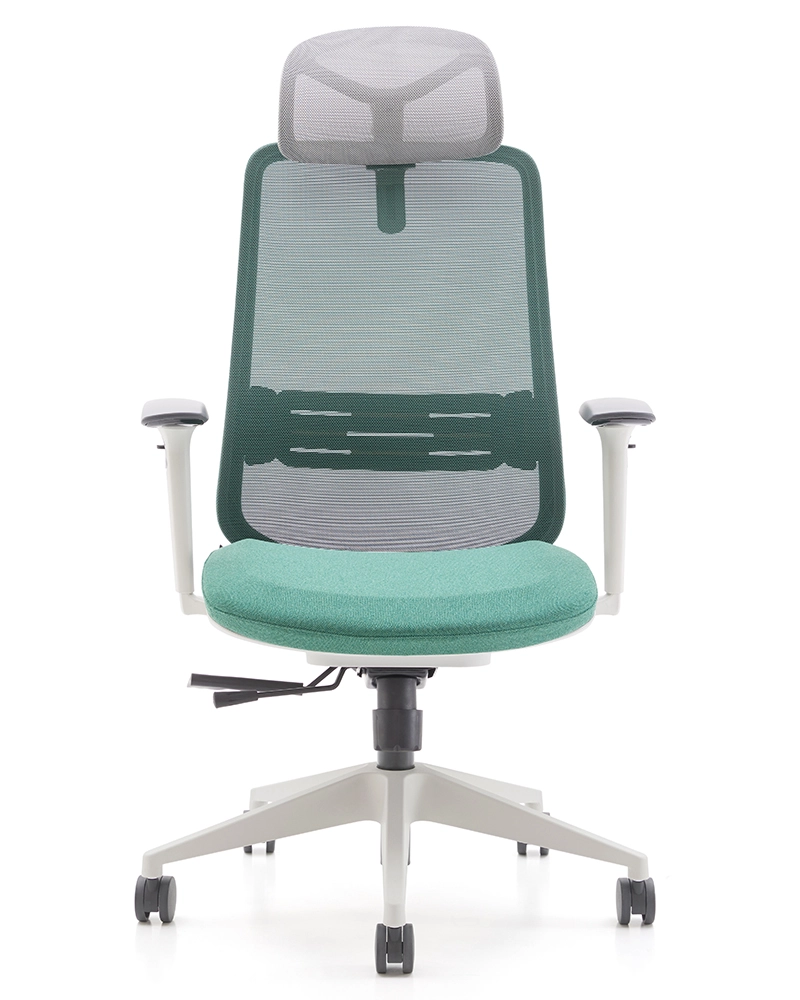
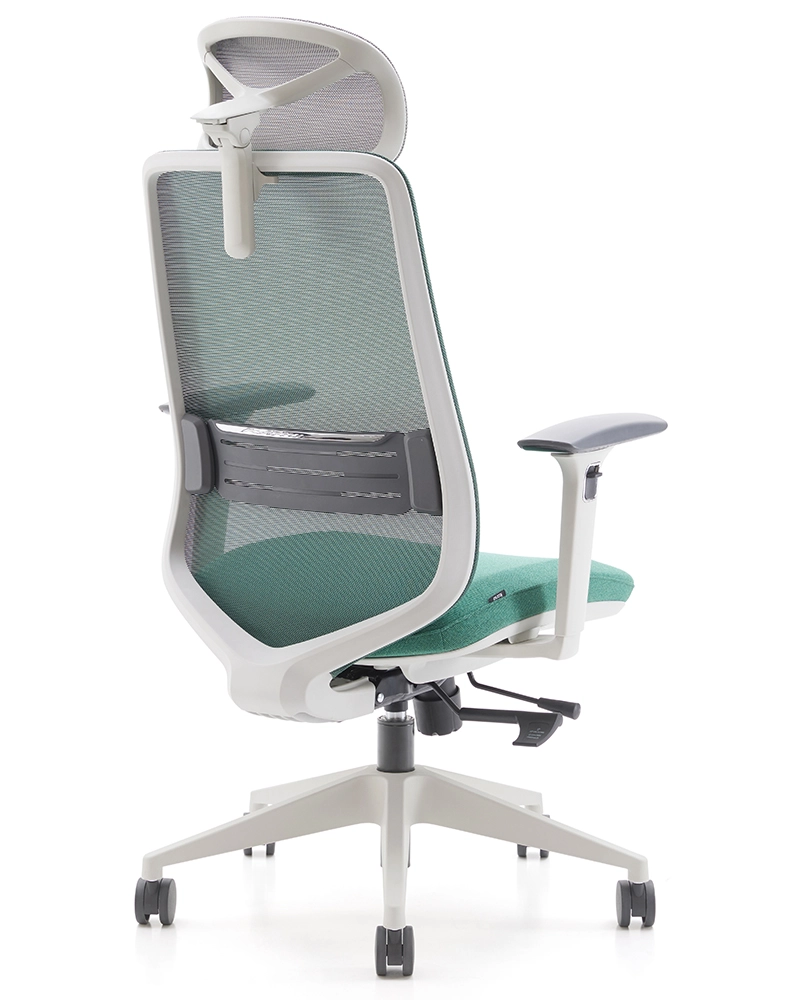
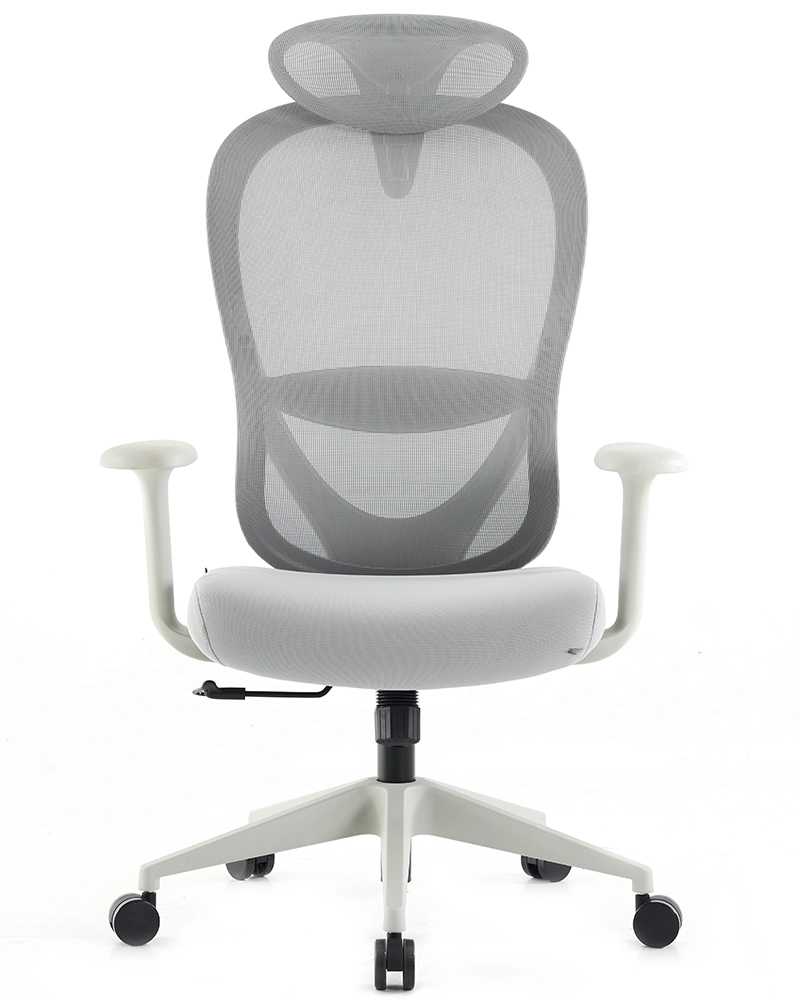
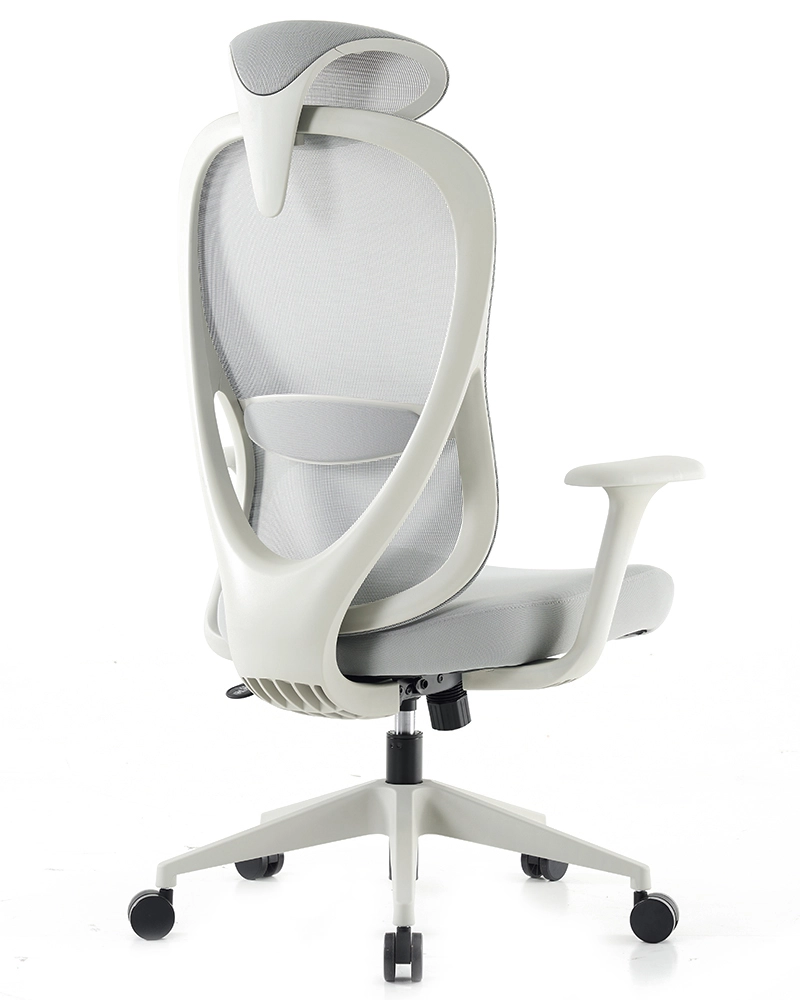
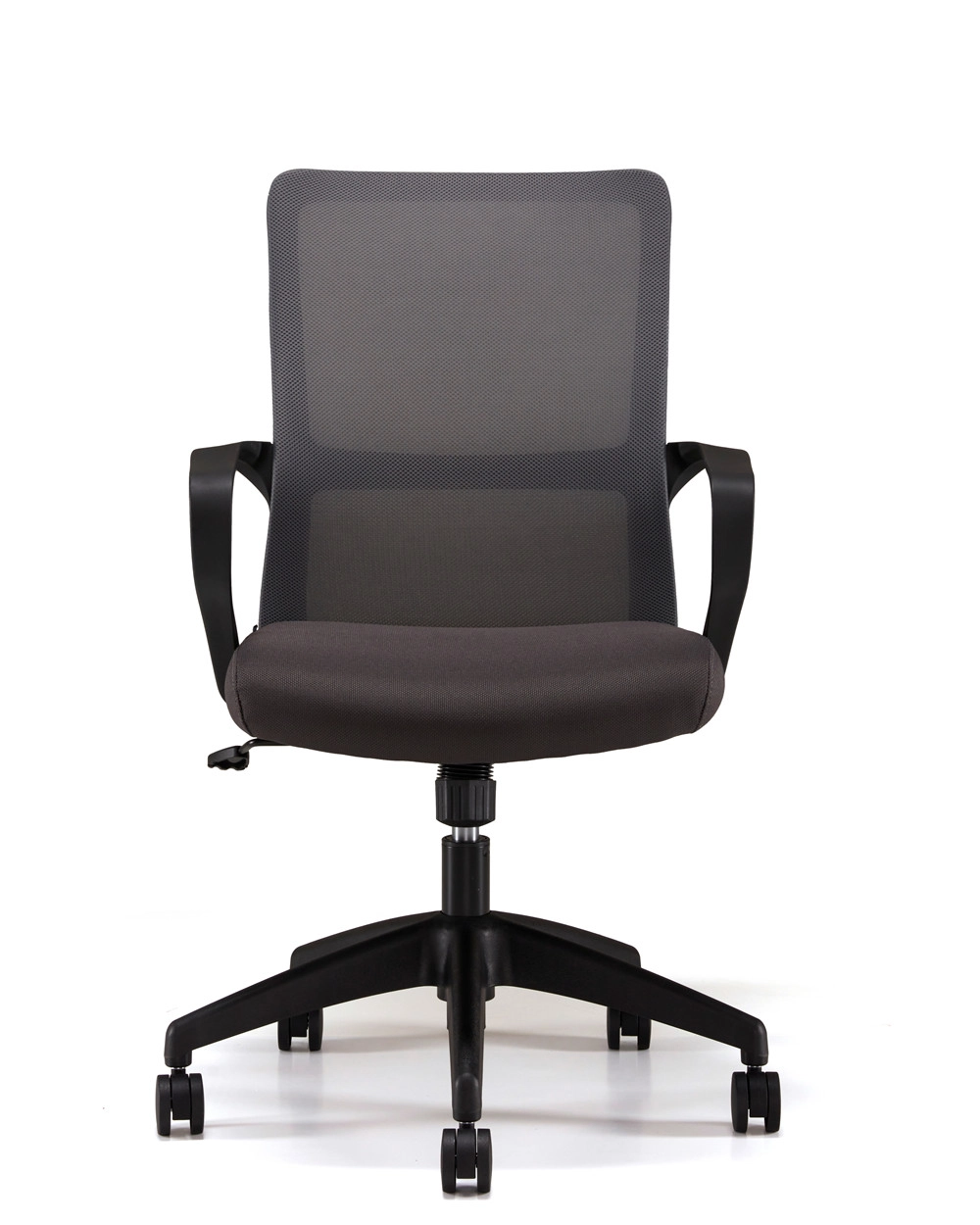
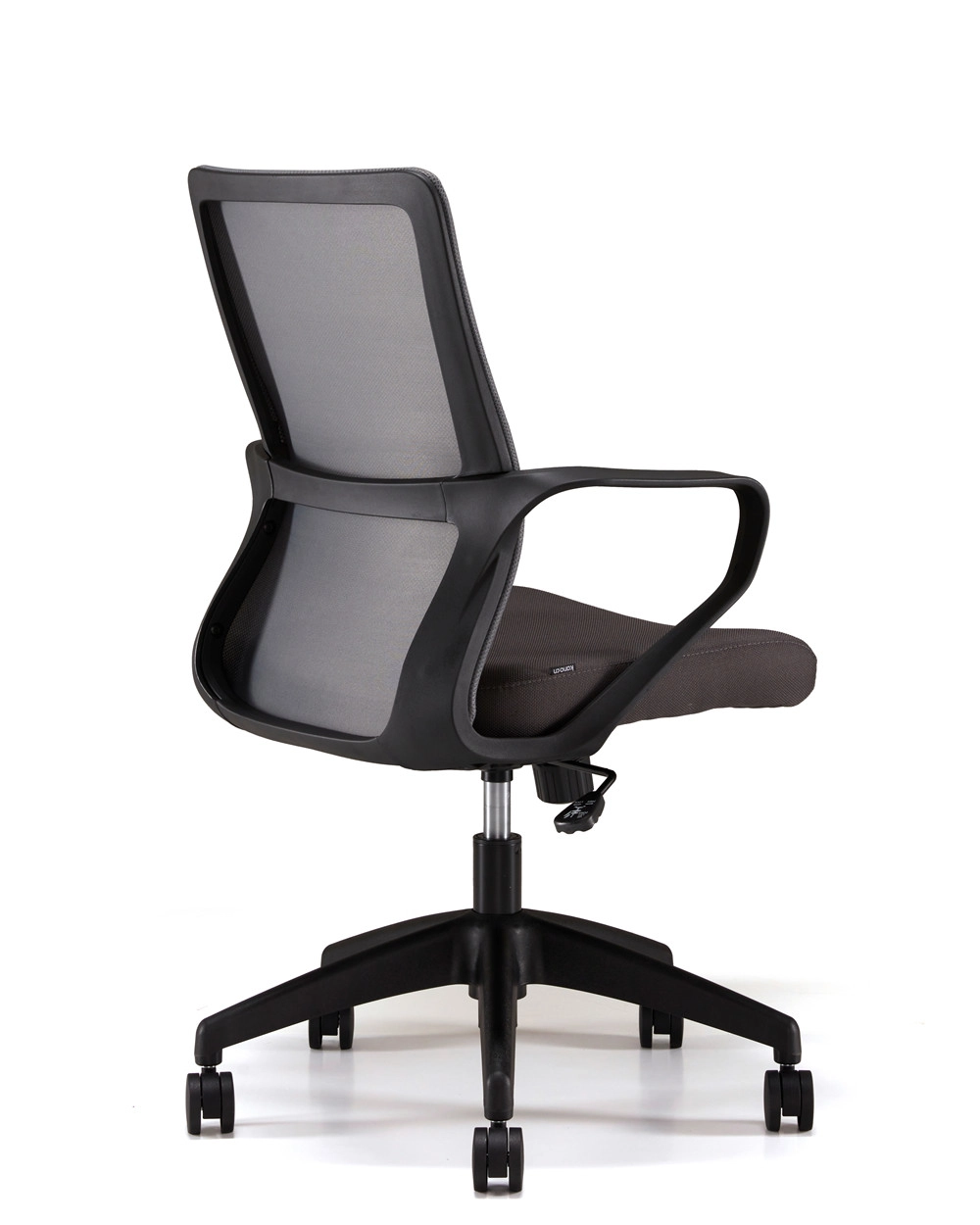
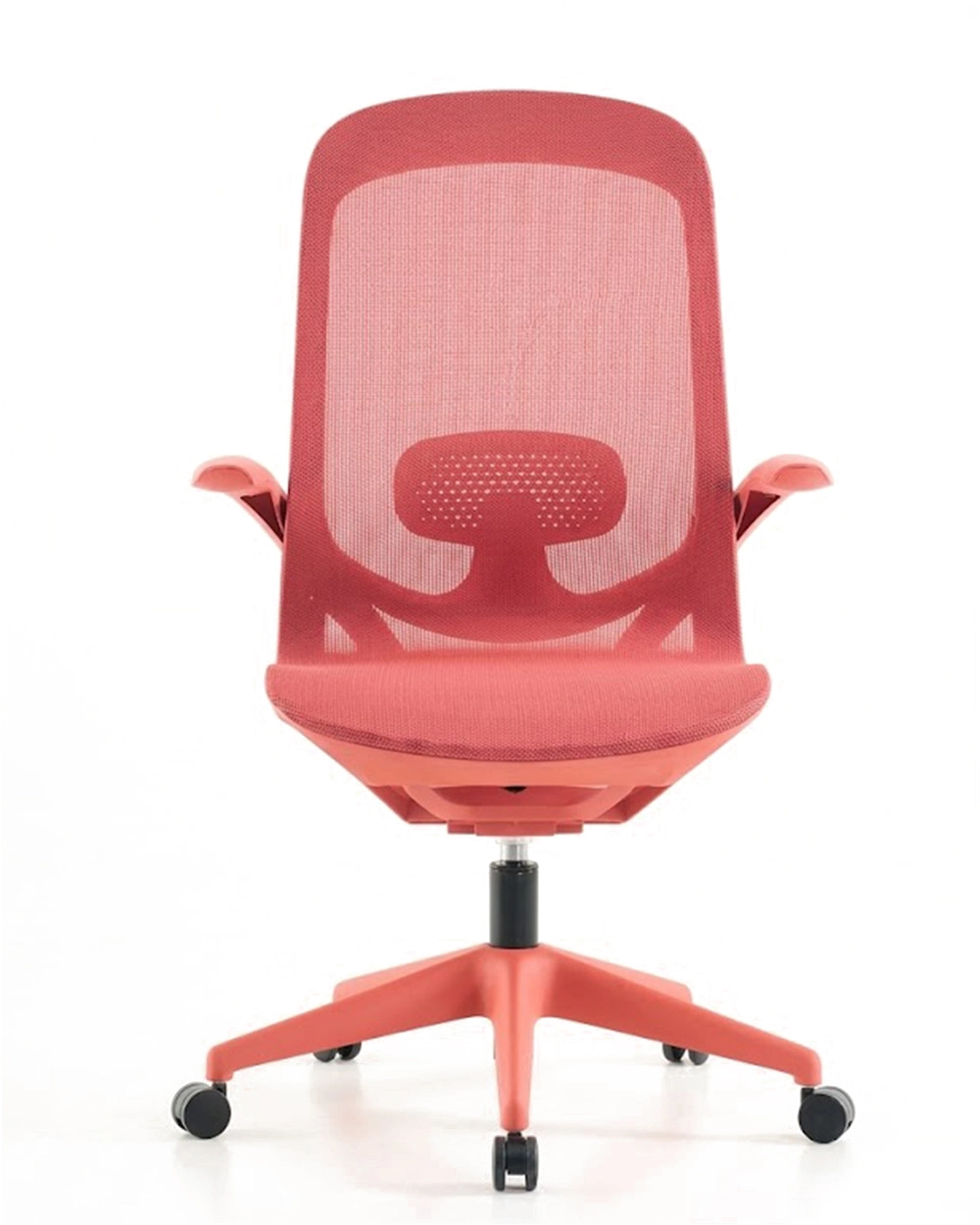
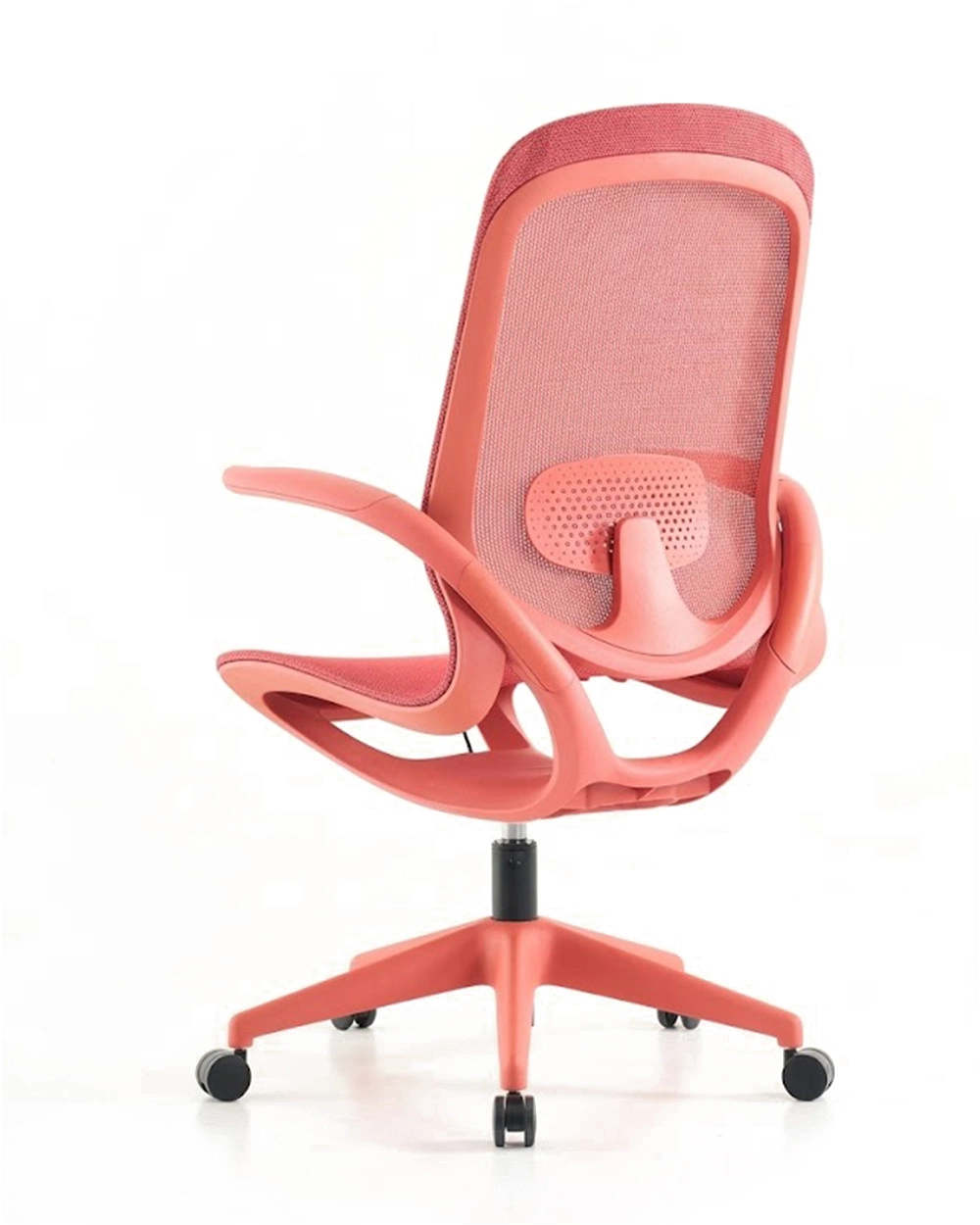
Task chairs are the core of any office fleet — the seating used at individual workstations for the majority of the workday. Novosit task chairs are built around adjustable ergonomic mechanisms, breathable mesh or upholstered backs, and frame components sized for high-volume, repeat manufacturing. This is the category most often specified for open-plan offices, call centers, and corporate fit-outs, where consistent quality across large order quantities is essential.
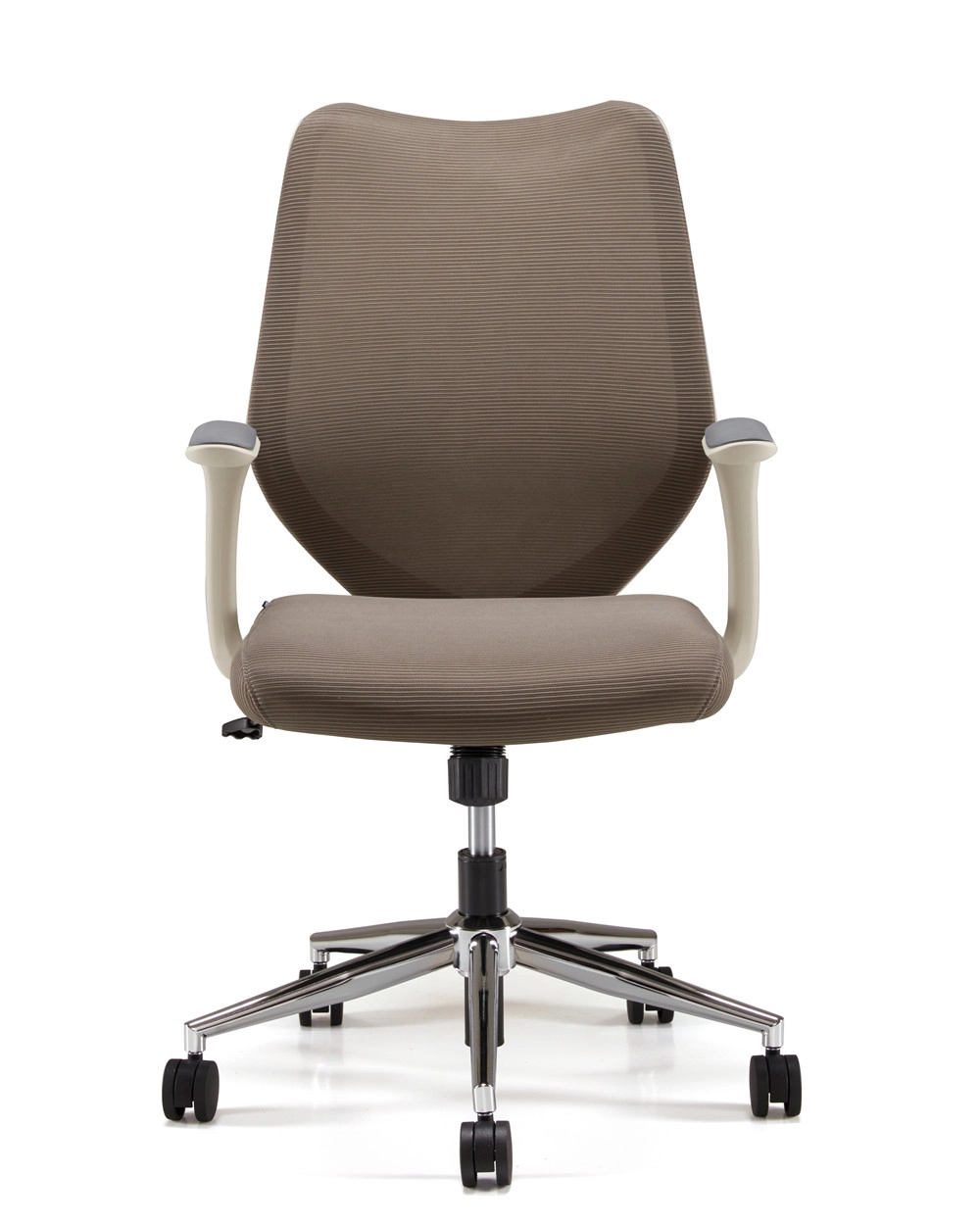
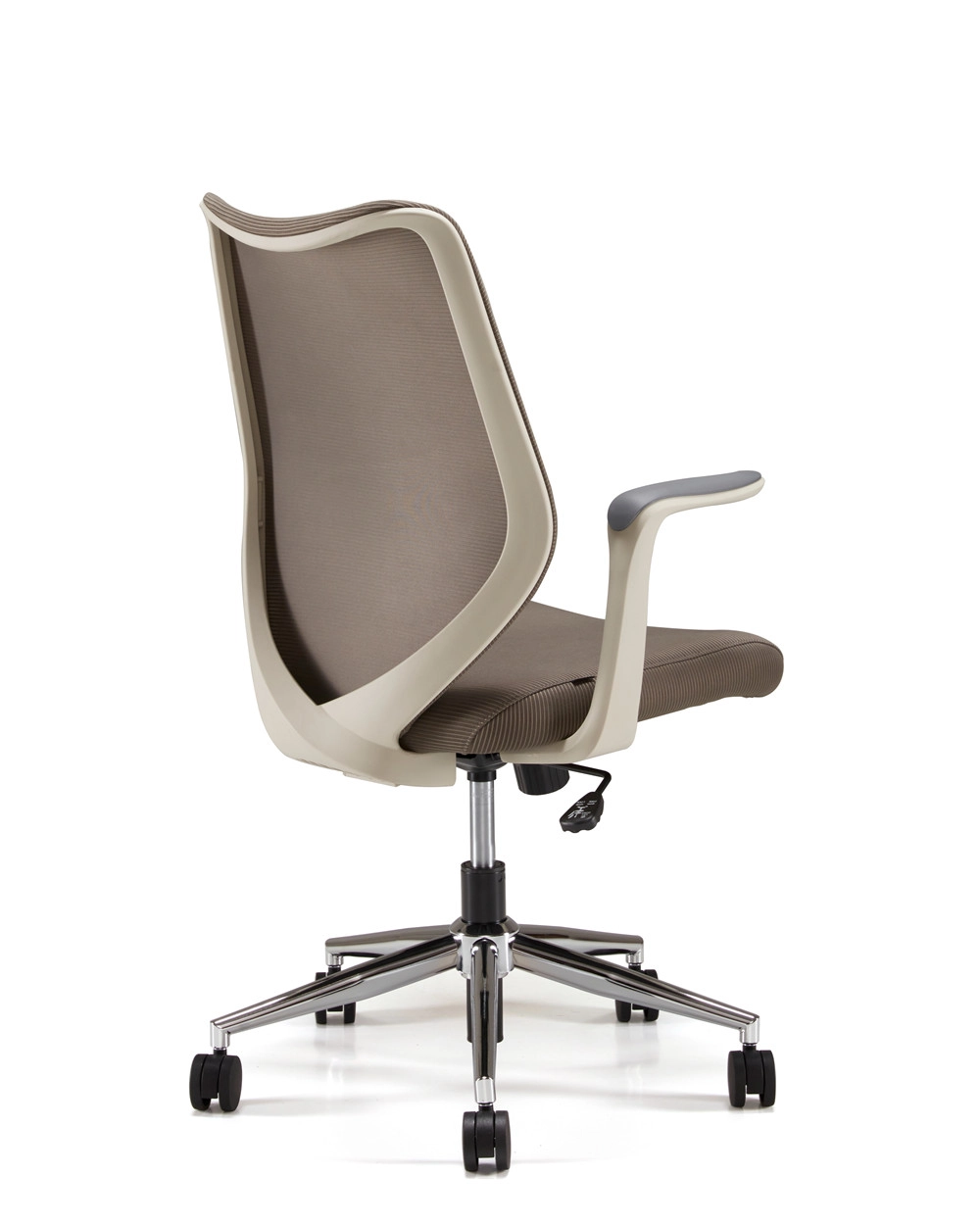
Multi-functional chairs are designed to move between roles — conference seating, training rooms, shared workspaces, or guest seating — without sacrificing comfort. They tend to have a lighter frame and simplified adjustment set compared to task chairs, making them easier to specify across mixed-use spaces while still meeting ergonomic expectations.

A contoured backrest that follows the curve of the lower spine helps distribute pressure evenly and keeps users supported through long stretches of sitting. Many Novosit chairs are built with adjustable or dynamic lumbar support, allowing the chair to accommodate a wider range of body types — an important detail for buyers serving markets with varied sizing needs.

The tilt mechanism controls how a chair moves as the user leans back or shifts posture through the day. Novosit offers chairs with synchro-tilt, multi-position locking, and tension-adjustable recline, so the resistance can be tuned to the sitter's weight and preferred angle rather than forcing one fixed position on every user.

A five-point base paired with smooth-rolling casters is standard across the range, giving users full 360-degree movement without straining the base under regular use. Caster options can be matched to flooring type — harder wheels for carpet, softer wheels for hard flooring — which is worth confirming when specifying chairs for a particular project.

Armrests that adjust in height, width, or angle let a chair fit a broader range of desk heights and body proportions. Novosit produces chairs with fixed, height-adjustable, and 3D/4D adjustable armrest options, giving buyers flexibility to match armrest specification to price point and end-use.

Breathable mesh backs help regulate temperature during long sitting sessions, while foam-padded, fabric, or leather-look seats add cushioned comfort. Novosit sources and tests upholstery for durability and colorfastness, so finished chairs hold their appearance through repeated use — an important factor for hospitality and high-traffic commercial settings.
Every chair frame, gas lift, and mechanism is load-tested to meet recognized international standards before it leaves the factory. For distributors and project buyers, this testing record — combined with Novosit's OEM/ODM manufacturing capability — makes it straightforward to source seating that meets the compliance requirements of different export markets.
Match the chair to the end user.
Different roles call for different seating. A management team may need executive chairs with a more formal presence, while an open-plan workforce needs task chairs built for all-day adjustability. Consider the body types and sizing range of the intended market, since a chair that only fits an average frame will leave a meaningful share of users underserved.
Prioritize ergonomic adjustment.
Look for chairs that offer real adjustability — lumbar support, tilt tension, seat depth, and armrest position — rather than a single fixed setting. A chair that can adapt to different postures throughout the day tends to generate fewer comfort complaints and returns once it's in service.
Think about the use case and environment.
Open-plan offices benefit from task chairs with mesh backs and full mobility. Boardrooms and private offices call for executive seating with a more substantial build. Training rooms, shared spaces, and guest areas are usually best served by multi-functional chairs that are lighter, stackable, or easier to reposition.
Factor in sourcing requirements.
For distributors and project buyers, choosing a chair also means evaluating the manufacturer behind it — customization options (frame color, upholstery, branding), minimum order quantities, lead times, and certification coverage for the destination market. Working with a manufacturer that can support OEM/ODM requests makes it easier to adapt a base chair design to a specific brand or regional spec without starting from scratch.

0086-0572-5325985
info@novosit-global.com
Leave your email address to receive our latest updates.